
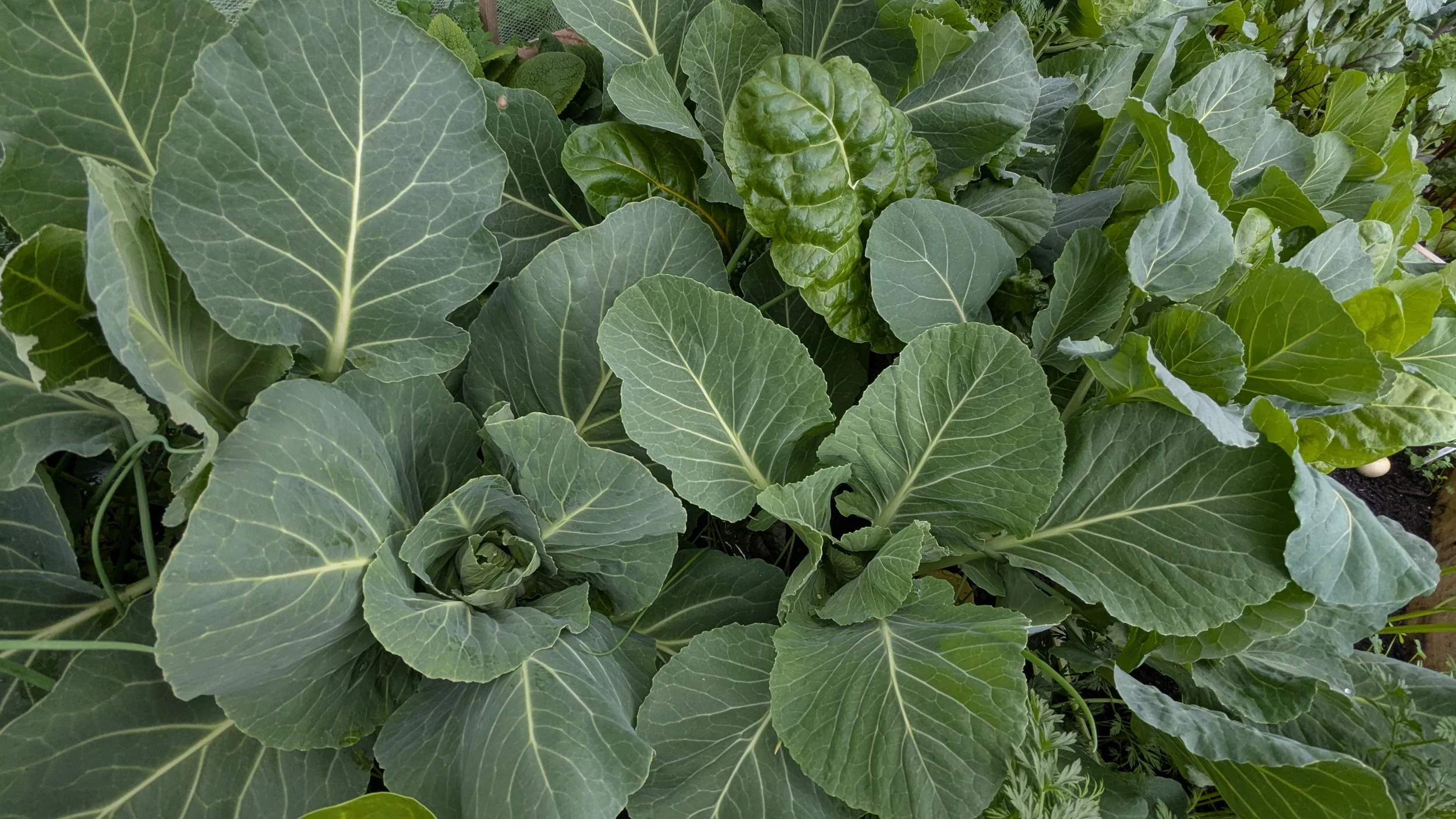
How to read your garden: Learn to understand your garden at a glance.
What I look for when I take a first look at a garden. Before planting anything, read what’s already there…
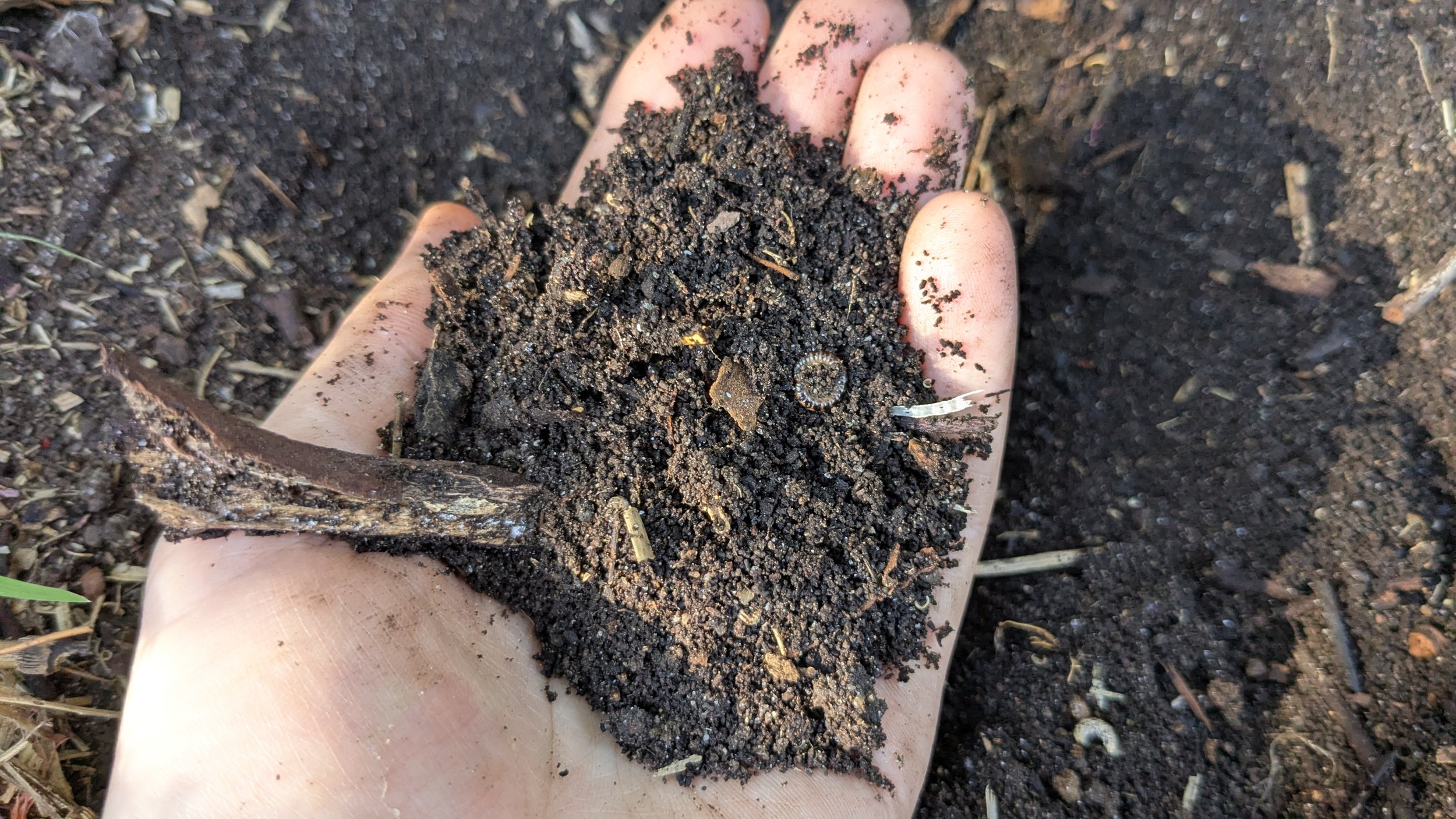
Soil! The soul of the garden. Soil tells you what’s possible. Look at your soil closely, feel it in your hand, and watch how water runs across its surface or sinks into it.
Texture: The mineral makeup
This is the proportion of sand, silt, and clay.
Clay soils hold water and nutrients, but can become waterlogged and compacted
Sandy soils drain quickly and have a low nutrient holding capacity
Silty soil has fine particles and is smoother than sandy soil, holding more nutrients but suffer from poor drainage if compacted
Loams are a balanced mix of sand, silt, and clay soils ideal for most plants
Moisture Behaviour: Is it hydrophobic?
Not just “is it wet or dry”, but how it holds and releases water.
Does it stay wet for long periods?
Does it dry out rapidly?
Are there inconsistencies in the garden? Microclimates in a garden can change soil moisture behaviour.
This affects root health, oxygen availability and microbial life.
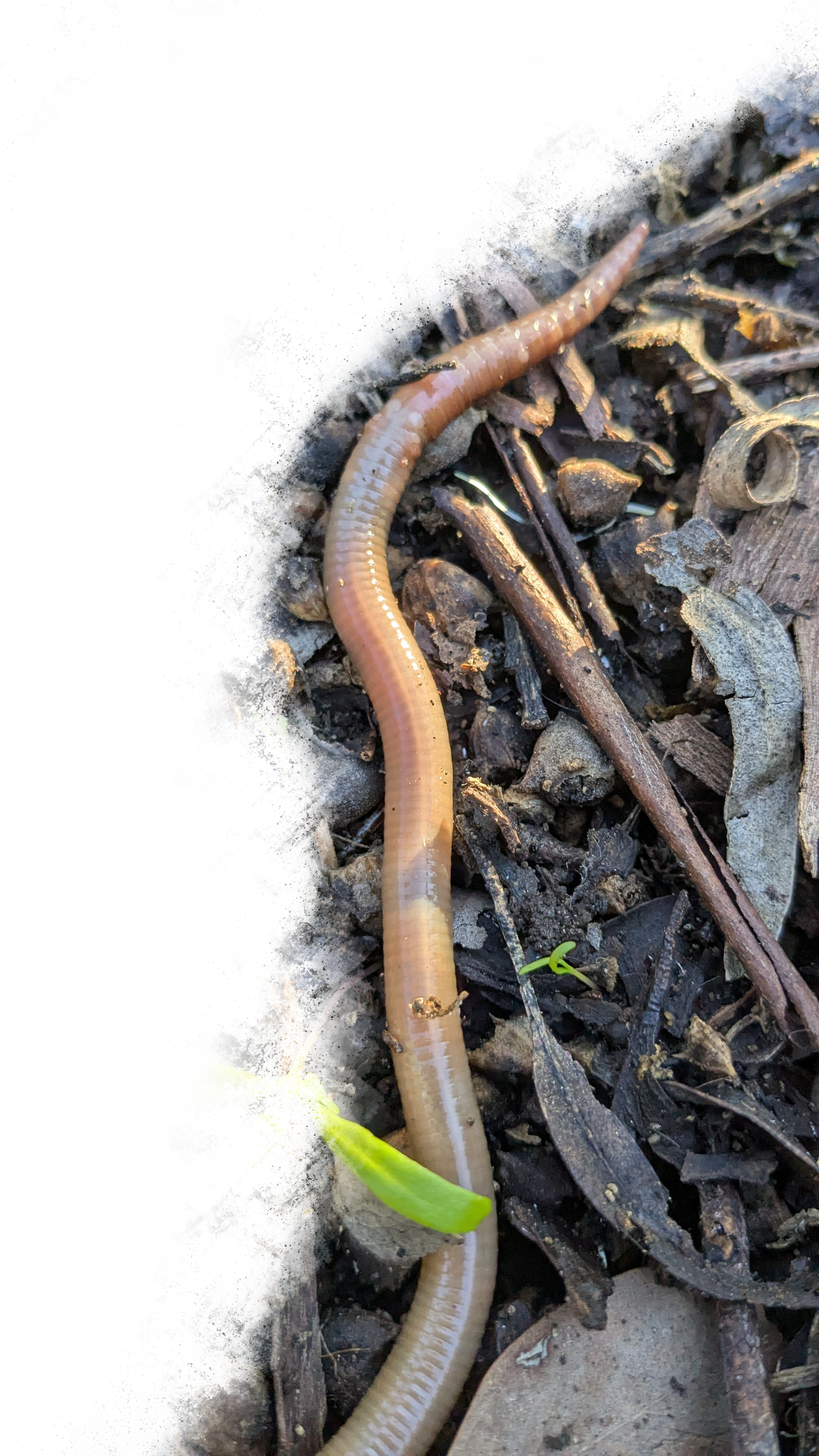
Soil Structure: How it’s arranged
Structure determines whether roots can penetrate, breathe, and expand.
Even a clay soil can perform beautifully if the structure is healthy.
Good structure → crumbly, friable, full of air pockets
Poor structure → compacted, dense, hard to break apart
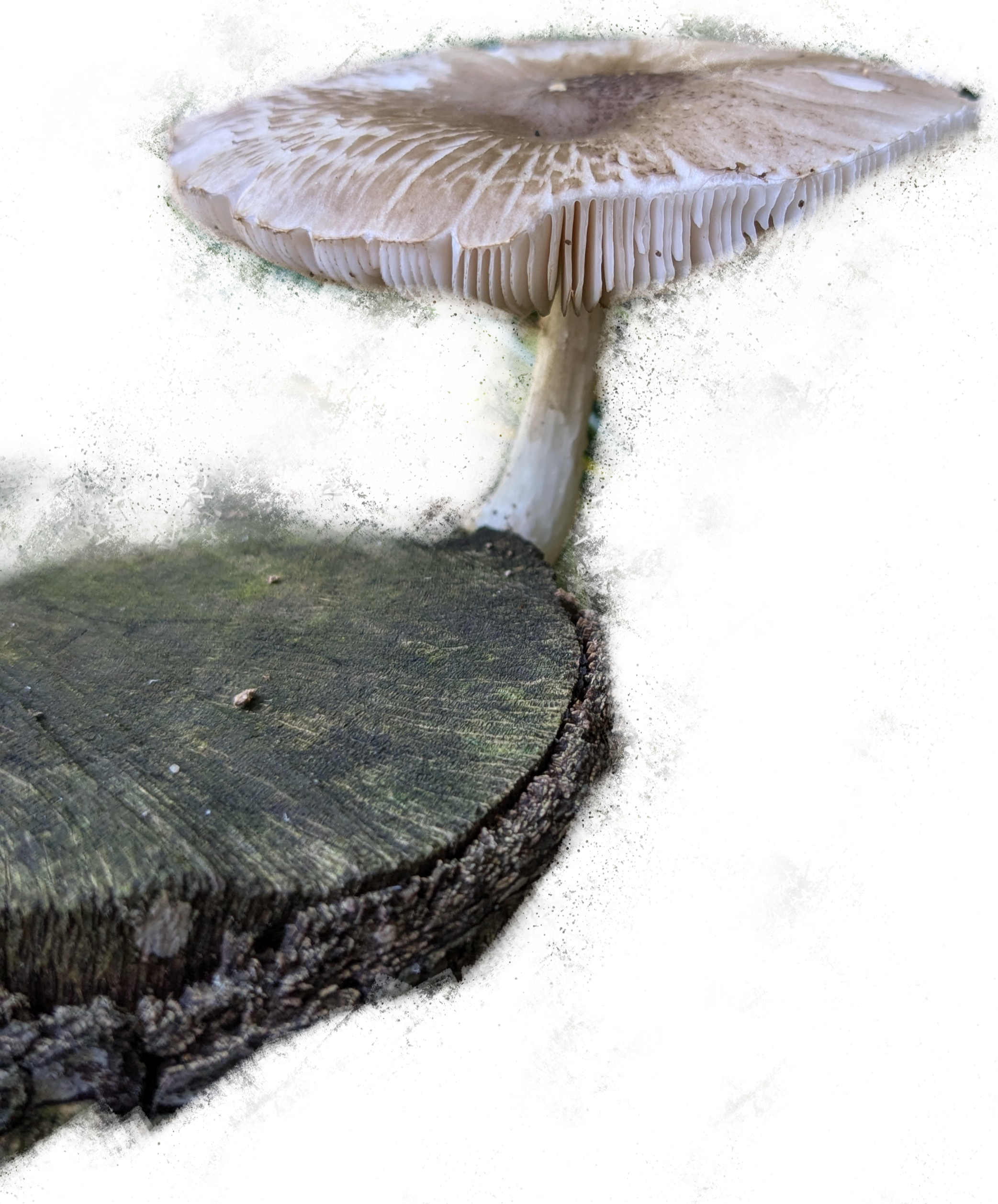
Weeds! The indicators of prosperity. Weeds are often the most honest signal of a gardens (soil) health status.
Spotting certain species tells you what’s going on beneath the surface - if you know what those species need to thrive, you’ll understand the reason they emerged.
Look for:
Which species are present
How dense they are
Where they are growing
Scattered weeds → early stages of overtake
Dense takeover → system imbalance or bare soil
Weeds aren’t random, they’re responding to what’s wrong (or right) with the soil.